

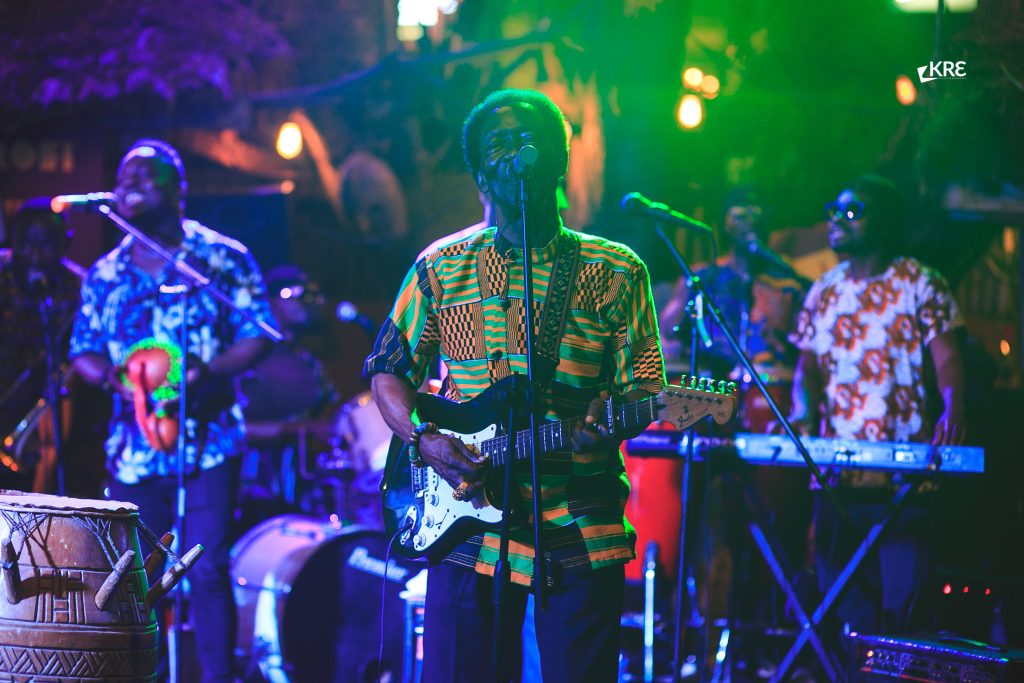

From the palm wine guitar licks of 1960s Ghana to the brass-heavy anthems of Nigeria’s Eastern region, highlife music has always been the soul of West African sound. But in today’s Afrobeats-dominated era—where digital production and global trends reign—an unexpected truth is emerging:
Modern highlife is back. And it’s quietly becoming the secret sauce behind many of today’s Afro hits.
Artists like Victony, SDC, AV and rising acts like Serotonin and Timmie are leading the charge—not by recreating old highlife records, but by blending its DNA into their sound. The result? Fresh, emotive, and wildly successful tracks that feel both nostalgic and new.
Let’s explore how highlife has returned, and why it’s shaping the next wave of African music.
A Quick Refresher: What Is Highlife?
Highlife originated in Ghana in the early 20th century and soon spread across West Africa. Known for its rich guitar melodies, horn sections, and syncopated rhythms, it became the soundtrack of weddings, independence parties, and everyday joy.
Traditional highlife focused on live instrumentation and social commentary—features that faded in the hyper-digital pop era. But instead of dying out, highlife has transformed.
—
🎙️ Victony: Highlife in Slow Motion
Victony’s genre-fluid approach has made him one of Nigeria’s most compelling young voices. On tracks like “Soweto,” he leans into highlife-inspired guitar lines and leisurely swing, layered under contemporary percussion and soft falsettos.
It’s highlife in disguise—less about shouting joy and more about whispering emotion. The rhythmic bounce, melodic progression, and live-feel guitar work all carry the highlife tradition into a more introspective space.
This formula connects across generations. The youth vibe with the chill energy; older listeners hear echoes of the sounds they grew up on. Everyone wins.
https://www.youtube.com/watch?v=8MsCPnqfbUc
—
🌊 Serotonin: A New Voice in the Highlife Revival
One of the new school artists pushing this wave even further is Serotonin Timmie. Though still emerging, his music shows a deep respect for highlife roots—incorporating groovy basslines, jazzy horns, and heartfelt storytelling.
Instead of masking the highlife influence, Timmie leans into it. His sound is soulful, intentional, and refreshingly analog in a digital age. He’s part of a growing class of artists crafting a “new old sound”—where nostalgia meets modernity.
https://www.youtube.com/watch?v=yoPKVTeb8Uw
—
Why Modern Highlife Works in Today’s Afrobeats
-
It Feels Organic
Audiences are fatigued by over-processed beats. Highlife’s live instrumentation adds soul and texture. -
It Connects Emotionally
Whether it’s love, longing, or celebration, highlife’s melodic structure naturally amplifies feeling. -
It’s Made for Dancing
Despite being mellow, highlife grooves are infectious. Perfect for intimate parties, live shows, or even viral dance clips. -
It Travels Well
Blending highlife with Afrobeats makes the sound both rooted and global—a winning combo for international playlists.
—
The Future: Highlife as a Genre Blueprint
We’re entering an era where highlife isn’t just sampled—it’s embedded into the DNA of hits. Producers are reviving old chord structures. Artists are leaning into live guitar loops. Labels are scouting for musicians who bring warmth, not just polish.
And as stars like Victony, Timmie, and others push this evolution, modern highlife may soon move from being a hidden recipe… to the main course.
Modern highlife proves that African music doesn’t need to chase global trends—it just needs to evolve its own. And right now, the future of Afro hits sounds a lot like the past—but fresher, bolder, and ready to go global.